POVERTY VOCABULARY
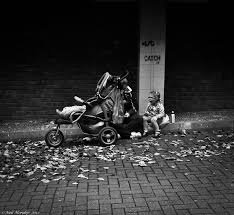
Destitution (noun): The state of having no money, food, or basic resources.
Sentence: The earthquake left thousands in a state of destitution, relying entirely on aid.
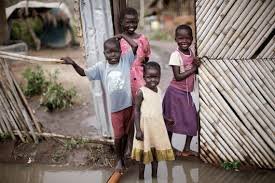
Impoverished (adjective): Extremely poor; without sufficient resources.
Sentence: Many impoverished families cannot afford basic healthcare or education.
POVERTY VOCABULARY
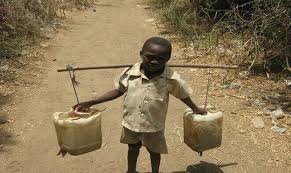
Underprivileged (adjective): Lacking the opportunities and advantages enjoyed by others.
Sentence: The charity provides free meals for underprivileged children in urban slums.
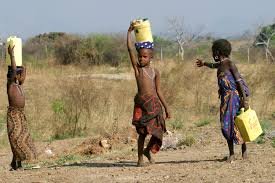
Marginalised (adjective): Treated as unimportant or pushed to the edge of society.
Sentence: Marginalised communities often have limited access to clean water and sanitation.
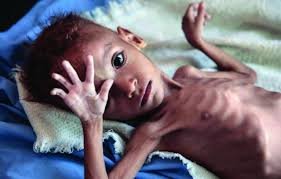
Malnutrition (noun): Poor health caused by insufficient or unbalanced diet.
Sentence: Malnutrition remains a major issue in regions affected by prolonged drought.
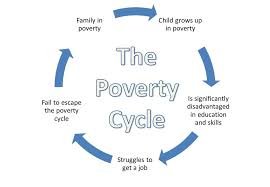
Cycle of Poverty (noun): The situation where poverty passes from one generation to the next.
Sentence: Without proper education, many children remain trapped in the cycle of poverty.
POVERTY VOCABULARY

Income Inequality (noun): Unequal distribution of income among a population.
Sentence: Rising income inequality has widened the gap between rich and poor.

Subsistence Level (noun): Barely enough resources to maintain basic living conditions.
Sentence: Many farmers in remote areas live at a subsistence level, relying only on what they grow.
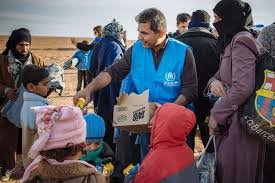
Humanitarian Aid (noun): Help given to people in need, especially during crises.
Sentence: International organisations delivered humanitarian aid to flood-affected villages.
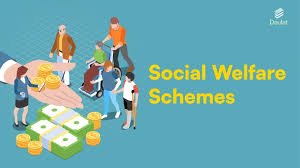
Social Welfare (noun): Government programmes designed to support people in need.
Sentence: Expanding social welfare schemes can reduce extreme poverty in developing countries.
POVERTY VOCABULARY