YOUTH AND EDUCATION VOCABULARY
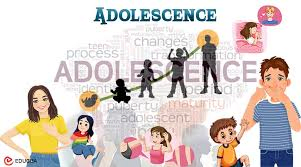
Adolescence: The period between childhood and adulthood.
Sentence: Adolescence is a critical time for emotional and social development.

Peer pressure: Influence from members of one’s social group.
Sentence: Many teenagers start smoking due to peer pressure.
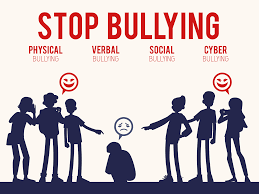
Bullying: Repeated aggressive behavior intended to hurt another person.
Sentence: Schools must implement strict anti-bullying policies to protect students.
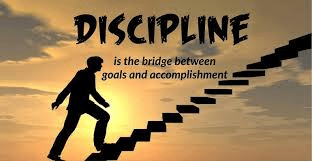
Discipline: The practice of training people to obey rules or behave properly.
Sentence: Teachers should balance discipline with encouragement to maintain a positive classroom.

Truancy: The action of staying away from school without permission.
Sentence: Truancy is often linked to family problems and lack of motivation.
YOUTH AND EDUCATION VOCABULARY
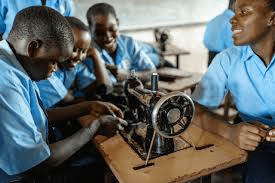
Vocational training: Education that prepares people for specific trades or careers.
Sentence: Vocational training is ideal for students who prefer hands-on work over academic study.
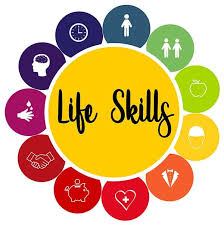
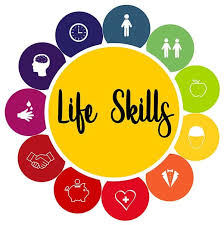
Life skills: Essential skills for everyday living, such as communication and decision-making.
Sentence: Schools should focus more on teaching life skills, not just academic subjects.
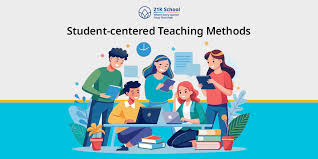
Student-centered learning: A teaching method focused on students’ needs and interests.
Sentence: Student-centered learning encourages critical thinking and independence.

Tertiary education: Education at the college or university level.
Sentence: More young people are pursuing tertiary education to improve job prospects.

Achievement gap: The difference in academic performance between different groups.
Sentence: Policymakers are trying to close the achievement gap between rich and poor students.
YOUTH AND EDUCATION VOCABULARY