VOCABULARY TO DESCRIBE FRUITS

Juicy – Full of juice or liquid.
Example: The orange was so juicy that it dripped down my hand.
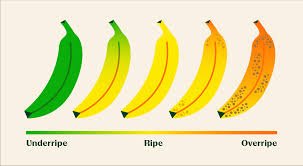
Ripe – Fully grown and ready to eat.
Example: You should wait until the mango is ripe before eating it.

Sour – Having a strong acidic taste.
Example: The lemon was too sour to eat without sugar.
VOCABULARY TO DESCRIBE FRUITS

Tangy – A sharp, zesty, and refreshing taste.
Example: I love the tangy taste of green apples.
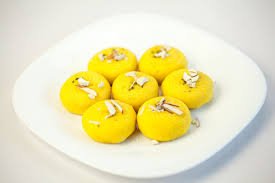
Sweet – Pleasant sugary flavour.
Example: These grapes are naturally sweet and perfect for snacking.

Tart – A sharp and slightly sour taste (milder than sour).
Example: The tartness of the berries balanced the sweetness of the cream.
VOCABULARY TO DESCRIBE FRUITS
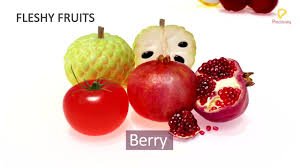
Fleshy – Having thick, soft, edible parts.
Example: Mangoes have a fleshy texture and are easy to eat.

Crunchy – Firm and makes a crisp sound when chewed.
Example: Apples are crunchy when freshly picked.

Succulent – Very juicy and tasty.
Example: The watermelon was cold and succulent, perfect for summer.
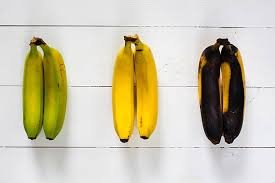
Overripe – Too ripe, often soft and beginning to spoil.
Example: The banana was overripe and had brown spots all over it.
VOCABULARY TO DESCRIBE FRUITS

Exotic – Unusual and from a foreign or tropical region.
Example: Passion fruit is considered exotic in many Western countries.