IELTS VOCABULARY

Step out of one’s comfort zone: To do something unfamiliar or challenging
Example: Trying new things encourages people to step out of their comfort zones.

Risk-averse: Reluctant to take risks
Example: Risk-averse individuals often choose familiar activities over new experiences.
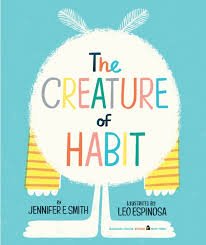
Creature of habit: Someone who prefers routine
Example: My father is a creature of habit and dislikes sudden changes.
IELTS VOCABULARY

Cultural exposure: Experience and understanding of different cultures
Example: Trying foreign cuisine provides valuable cultural exposure.

Broaden one’s horizons: To expand knowledge or experience
Example: Travelling frequently can broaden one’s horizons significantly.
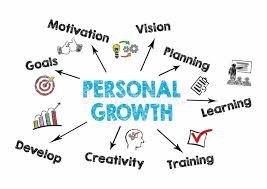
Personal growth: The process of improving oneself
Example: Exploring new places contributes to personal growth.

Embrace change: To accept and welcome change positively
Example: Those who embrace change tend to adapt more easily to new environments.
IELTS VOCABULARY

Resistant to change: Unwilling to accept change
Example: Older generations are often more resistant to change than younger ones.

Innovative mindset: A way of thinking that encourages new ideas
Example: People with an innovative mindset are more likely to explore unfamiliar paths.

Predictability: The quality of being expected or consistent
Example: Predictability in daily life can offer a sense of safety and control.
IELTS VOCABULARY

Spontaneity: Acting on impulse or without planning
Example: Travelling without a fixed plan adds an element of spontaneity.

Enriching experience: Something that adds value or depth to life
Example: Volunteering abroad is often an enriching experience.

Psychological comfort: A mental state of ease and security
Example: Many people choose routines for the psychological comfort they provide.

Sense of adventure: A desire for exciting or unusual experiences
Example: A strong sense of adventure often motivates people to try extreme sports.
IELTS VOCABULARY