
FINANCE VOCABULARY
Liquidity: The ease with which an asset can be converted into cash without affecting its market price.
Sentence: “The company has high liquidity because it holds a significant portion of its assets in cash and short-term investments.”
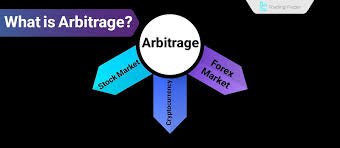
Arbitrage: The practice of taking advantage of a price difference between two or more markets to generate a profit.
Sentence: “Traders used arbitrage to exploit the difference in gold prices between the London and New York markets.”
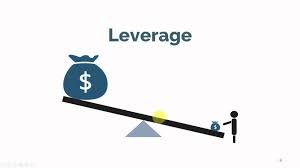
Leverage: The use of borrowed funds to increase the potential return on investment.
Sentence: “The firm’s leverage ratio was high, meaning they borrowed substantial capital to fund their expansion.”

Hedge: A strategy used to offset potential losses in one investment by taking an opposite position in another.
Sentence: “Investors hedge their portfolio by purchasing options to protect against downturns in the stock market.”
FINANCE VOCABULARY

Capital Gains: The profit from the sale of an asset, such as stocks or real estate, for a price higher than the original purchase price.
Sentence: “He reported substantial capital gains after selling his shares in the tech company.”
Dividend: A payment made by a corporation to its shareholders, usually in the form of cash or additional stock, from its profits.
Sentence: “The company announced a quarterly dividend of $0.50 per share to reward its investors.”
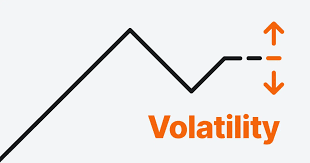
Volatility: The degree of variation of a trading price series over time, indicating how much the price of an asset fluctuates.
Sentence: “The stock market’s volatility increased as investors reacted to uncertain economic conditions.”

Bear Market: A market in which prices are falling or are expected to fall.
Sentence: “The bear market created a sense of caution among investors, leading to widespread selling of shares.”
FINANCE VOCABULARY

Portfolio: A collection of investments held by an individual or institution.
Sentence: “She diversified her portfolio by adding bonds and real estate to reduce the overall risk.”

Asset Allocation: The process of dividing investments among different asset categories, such as stocks, bonds, and real estate, to manage risk.
Sentence: “The financial advisor recommended a balanced asset allocation between equities and fixed-income securities.”

Default: The failure to repay a debt according to the terms agreed upon in a contract.
Sentence: “The company faced financial difficulties and was on the brink of defaulting on its bond obligations.”

Fiduciary: A person or organization that acts on behalf of another person, putting their client’s interests ahead of their own.
Sentence: “The financial advisor has a fiduciary duty to ensure the best interests of their clients are always prioritized.”
FINANCE VOCABULARY

Margin Call: A demand from a broker for an investor to deposit additional funds or securities into their margin account to cover potential losses.
Sentence: “After a significant drop in the stock price, the investor received a margin call and had to add more money to their account.”

Underwriting: The process by which an individual or institution takes on the financial risk for an investment, such as issuing bonds or stocks.
Sentence: “The bank was responsible for underwriting the initial public offering (IPO) of the tech startup.”

FINANCE VOCABULARY