
ECOLOGY VOCABULARY
Biotic: relating to or resulting from living organisms.
Sentence: any living part of an environment is a biotic element.

Abiotic: physical rather than biological; not derived from living organisms.Sentence: water is obviously a crucial and highly variable abiotic factor for every living organism.

Symbiosis: a close, prolonged association between two or more different biological species
Sentence: we examine the fascinating symbiosis between a flower and a bee
ECOLOGY VOCABULARY

Mutualism: relationship in which both organisms benefit
Sentence: there are many relationships between humans and animals that come close to mutualism
Parasitism: relationship in which one organism benefits and one is harmed
Sentence: a flea living off of a dog’s body is an example of parasitism

Commensalism: relationship in which one organism is benefited, while the other is left unharmed
Sentence: a remora attaching itself to a shark for transportation purposes is a prime example of commensalism.
ECOLOGY VOCABULARY
Heterotroph: an organism that eats other plants or animals for energy and nutrients
Sentence: humans are heterotrophs, because they cannot make food themselves like plants.
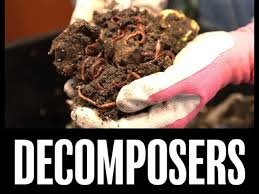
Decomposer: an organism that feeds on and breaks down dead plant or animal matter
Sentence: a more dramatic decomposer is a fat, reddish earthworm called the lob worm

Herbivore: an animal that feeds on plants.
Sentence: cows and sheep are herbivores.

Carnivore: an animal that feeds on other animals.
Sentence: lions and tigers are carnivores
Omnivore: an animal or person that eats a variety of food of both plant and animal origin.
Sentence: brown bears are omnivorous, eating anything that they can get their paws on.

ECOLOGY VOCABULARY