
BUSINESS VOCABULARY

Entrepreneur: A person who starts and runs their own business.
Sentence: The young entrepreneur launched a tech startup that quickly became profitable.

Revenue: The total income a company receives from its business activities.
Sentence: The company’s revenue increased by 20% last year due to higher product demand.

Profit Margin: The difference between the cost of producing something and its selling price.
Sentence: They reduced production costs to improve their profit margin.
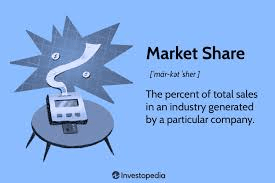
Market Share: The portion of a market controlled by a particular company or product.
Sentence: Apple’s market share in the smartphone industry remains substantial.
BUSINESS VOCABULARY

Merger: The combination of two companies into one.
Sentence: The merger between the two banks created the largest financial institution in the region.

Investment: Money put into a business to earn a profit.
Sentence: Foreign investment has helped improve infrastructure in developing countries.

Innovation: The introduction of new products, services, or ideas.
Sentence: Continuous innovation is crucial for staying competitive in the market.

Outsourcing: Hiring external firms to handle business activities.
Sentence: Many companies outsource customer service to reduce operational costs.
BUSINESS VOCABULARY

Start-up: A newly established business.
Sentence: The start-up specializes in eco-friendly packaging solutions.

Bankruptcy: A legal status when a business cannot repay its debts.
Sentence: The restaurant filed for bankruptcy after suffering huge losses during the pandemic.

Marketing Strategy: A plan for promoting and selling products or services.
Sentence: A strong marketing strategy helped the brand reach international customers.

Supply Chain: The sequence of processes involved in the production and distribution of a product.
Sentence: COVID-19 disrupted global supply chains, causing delays in deliveries.

BUSINESS VOCABULARY