
IELTS VOCABULARY

Materialism – valuing possessions and money more than relationships or spiritual life.
Example: Materialism often leads people to believe that wealth equals success.
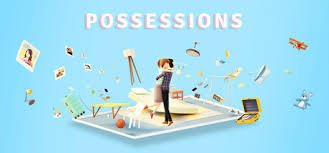
Possessions – the things that someone owns.
Example: Many people find comfort in their possessions, even if they don’t truly need them.
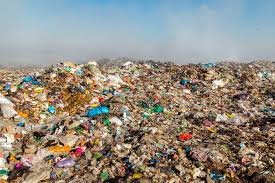
Disposable culture – a society where products are used once and thrown away.
Example: Fast fashion has created a disposable culture that harms the environment.
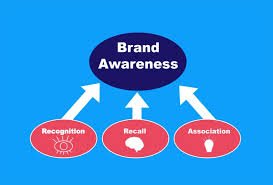
Brand consciousness – awareness or obsession with brand names.
Example: Teenagers today show strong brand consciousness, preferring labels over quality.

Status symbol – something that shows one’s social position or wealth.
Example: Expensive cars are often seen as status symbols in many societies.
IELTS VOCABULARY
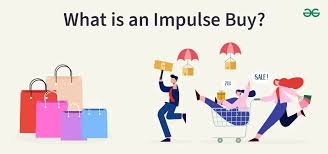
Impulse buying – purchasing things without planning or need.
Example: Online sales encourage impulse buying with constant discounts and promotions.
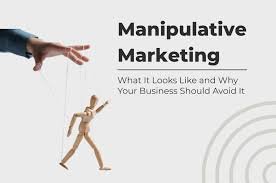
Advertising manipulation – how ads influence people to buy products they don’t need.
Example: Advertising manipulation often makes consumers believe that buying a product will improve their lives.

Minimalism – a lifestyle focused on simplicity and owning fewer things.
Example: Minimalism promotes happiness by reducing dependence on material goods.
Credit culture – relying on loans and credit cards for daily purchases.
Example: Credit culture has made it easy for people to live beyond their means.
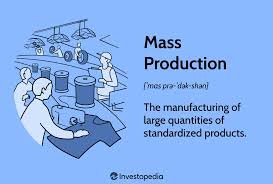
Mass production – producing goods in large quantities using machines.
Example: Mass production has made products cheaper but increased waste.
IELTS VOCABULARY
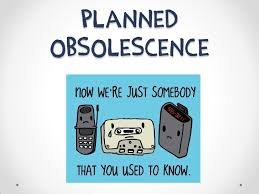
Planned obsolescence – designing products to wear out quickly so consumers buy more.
Example: Many electronics are built with planned obsolescence to increase company profits.
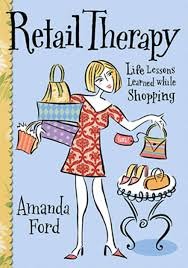
Retail therapy – shopping to improve one’s mood.
Example: Some people use retail therapy to escape stress or sadness.
Sustainable consumption – buying and using goods in ways that don’t harm the environment.
Example: Sustainable consumption encourages people to choose eco-friendly brands.

Peer pressure – influence from friends to behave or buy in a certain way.
Example: Peer pressure often pushes young people to buy trendy gadgets.

Possession-driven happiness – the belief that owning things brings joy.
Example: Possession-driven happiness rarely lasts because satisfaction fades quickly.
IELTS VOCABULARY