
SLEEP VOCABULARY
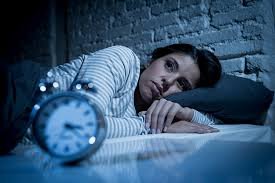
Insomnia: A sleep disorder where a person finds it hard to fall or stay asleep.
Example: After moving to a noisy neighborhood, he started suffering from insomnia.
Doze off: To fall asleep for a short time, usually unintentionally.
Example: I dozed off during the lecture because I hadn’t slept well the night before.
SLEEP VOCABULARY

Sleep-deprived: Not having enough sleep.
Example: Many new parents are sleep-deprived due to their baby’s irregular schedule.

Oversleep: To sleep longer than intended.
Example: I overslept and missed my morning train.
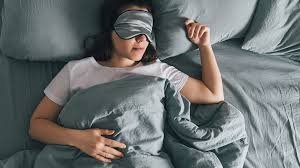
Deep sleep: A stage of sleep when the body is fully at rest and difficult to wake.
Example: The medication helped him enter deep sleep more quickly.
SLEEP VOCABULARY
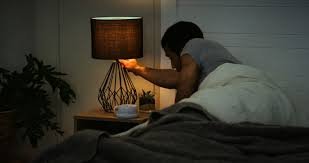
Light sleeper: Someone who wakes up easily with small sounds or movements.
Example: I’m a light sleeper, so I can’t sleep if there’s any noise in the room.
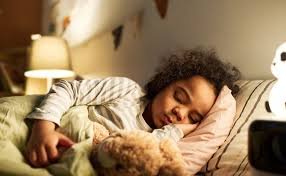
Sleep in: To stay in bed and sleep longer than usual.
Example: I usually sleep in on Sundays to catch up on rest.
Night owl: A person who stays awake late at night and is active during the evening.
Example: I’m more of a night owl—I do my best work after 10 p.m.
SLEEP VOCABULARY

Catch up on sleep: To sleep more than usual after a period of sleep deprivation.
Example: I plan to catch up on sleep this weekend after working late all week.

Power nap: A short sleep, usually 10–30 minutes, taken to refresh energy.
Example: A quick power nap in the afternoon helps me stay productive.
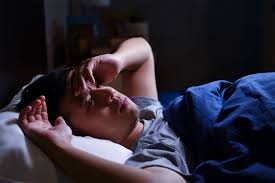
Restless night: A night when someone has trouble sleeping or wakes up often.
Example: I had a restless night because of the storm.

Sleep like a log: To sleep very deeply and not wake up easily.
Example: After the hike, I slept like a log all night.