
HISTORY VOCABULARY
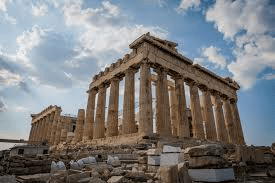
Ancient (adj): Very old; from a long time ago
Sentence: The pyramids of Egypt are one of the most famous examples of ancient architecture.
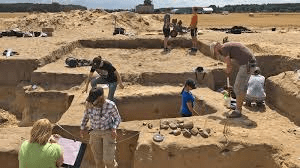
Archaeology (noun): The study of human history through the excavation of sites and analysis of artifacts
Sentence: She studied archaeology to learn more about ancient civilizations.
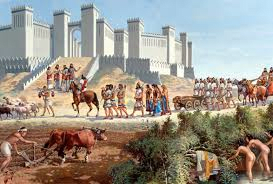
Civilization (noun): A society with a high level of culture and organization
Sentence: The Roman civilization contributed greatly to modern legal and political systems.
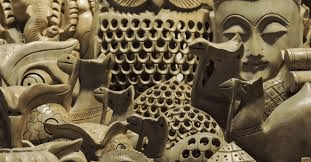
Artifact (noun): An object made by a human being, typically of historical or cultural interest
Sentence: The museum displayed artifacts recovered from the Indus Valley.

Era (noun): A period of time in history marked by notable events or characteristics
Sentence: The Victorian era was known for its strict social rules and industrial growth.
HISTORY VOCABULARY

Historian (noun): A person who studies or writes about history
Sentence: Historians believe that the war had long-term effects on international politics.
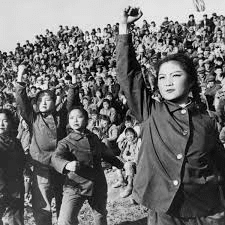
Revolution (noun): A sudden and major change, especially in politics or society
Sentence: The Industrial Revolution transformed the way goods were produced.

Legacy (noun): Something handed down from the past, such as traditions or achievements
Sentence: The legacy of ancient Greece can still be seen in modern democracy.
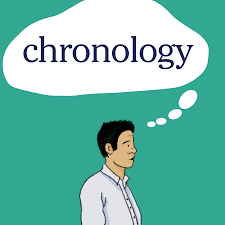
Chronology (noun): The arrangement of events in the order they happened
Sentence: Understanding the chronology of events helps students grasp the causes of historical conflicts.
Empire (noun): A group of countries or regions controlled by one ruler or government
Sentence: The British Empire once covered a vast part of the globe.

HISTORY VOCABULARY