CONSUMERISM AND ADVERTISING VOCABULARY

Consumerism: The belief that personal well-being and happiness depend largely on the level of personal consumption.
Sentence: Modern consumerism encourages people to buy more than they actually need.

Materialism: A tendency to consider material possessions and physical comfort as more important than spiritual values.
Sentence: Materialism is often seen as a negative side effect of consumer culture.

Disposable income: The money people have left to spend after paying taxes and necessary expenses.
Sentence: With increased disposable income, people tend to purchase luxury goods more frequently.

Impulse buying: The act of purchasing something without prior planning.
Sentence: Many shoppers fall into the trap of impulse buying during sales.
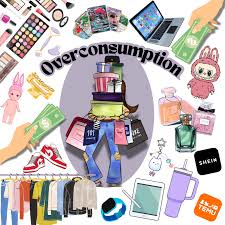
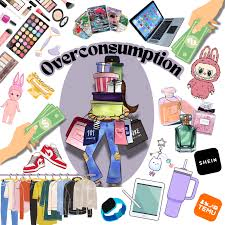
Overconsumption: The excessive use or purchase of goods and services.
Sentence: Overconsumption has led to serious environmental issues, such as resource depletion.
CONSUMERISM AND ADVERTISING VOCABULARY

Brand loyalty: The tendency of consumers to continue buying the same brand.
Sentence: Companies invest heavily in advertising to build brand loyalty.

Target audience: A particular group at which an advertisement is aimed.
Sentence: Advertisements for energy drinks often target a young and active audience.

Persuasive techniques: Methods used to convince consumers to buy a product.
Sentence: Advertisers use persuasive techniques like celebrity endorsements to influence buyers.

Product placement: A form of advertising where products appear in films or TV shows.
Sentence: The movie had obvious product placement with soft drink logos in multiple scenes.
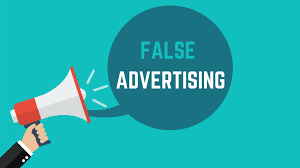
Misleading advertising: Advertising that gives a false or deceptive impression.
Sentence: Misleading advertising can lead to distrust among consumers and damage a brand’s reputation.

CONSUMERISM AND ADVERTISING VOCABULARY