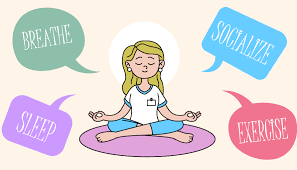
Vocabulary on Mental Health Awareness
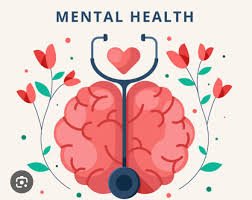
Mental well-being – a state of being comfortable, healthy, and happy.
Example: Maintaining mental well-being is just as important as physical health.

Emotional stability – the ability to remain calm and balanced in stressful situations.
Example: Regular exercise helps in achieving emotional stability.
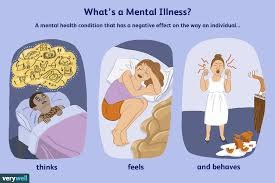
Psychological disorder – a condition affecting a person’s thinking, feeling, or behavior.
Example: Depression is one of the most common psychological disorders worldwide.
Stress management – techniques to control stress levels.
Example: Mindfulness meditation is an effective method of stress management.
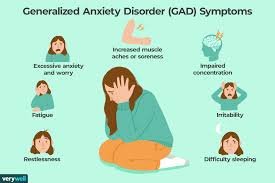
Anxiety disorder – a mental condition marked by extreme fear or worry.
Example: She was diagnosed with an anxiety disorder during her university years.
Vocabulary on Mental Health Awareness

Depression – a mood disorder causing persistent sadness or loss of interest.
Example: Many young people experience depression due to academic pressure.

Therapy / Counselling – professional treatment to support mental health.
Example: He attended therapy sessions to cope with work-related stress.

Mental breakdown – a period of severe mental distress.
Example: Overworking without rest led to his mental breakdown.

Self-care – actions taken to preserve one’s health and happiness.
Example: Practicing self-care can improve overall mental resilience.

Stigma – negative beliefs or attitudes towards mental illness.
Example: The stigma around mental health prevents many from seeking help.

Vocabulary on Mental Health Awareness