IELTS VOCABULARY
Hypothesis – A proposed explanation made based on limited evidence.
Example: His hypothesis about climate change was later proven correct.
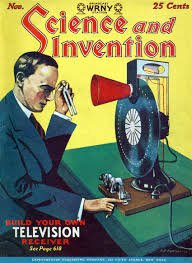
Invention – A device or process created through imagination and skill.
Example: The invention of the internet changed communication forever.

Research – Systematic investigation to establish facts or principles.
Example: Ongoing research aims to find a cure for Alzheimer’s disease.
Observation – The action of watching carefully to gather information.
Example: Careful observation is essential in any scientific experiment.

Breakthrough – A major advance or discovery.
Example: The scientist made a breakthrough in cancer treatment.
Theory – A system of ideas intended to explain something.
Example: Darwin’s theory of evolution changed how we view life on Earth.
IELTS VOCABULARY
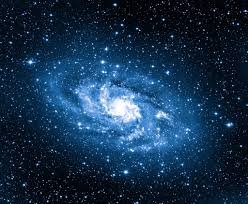
Astronomy – The study of stars, planets, and the universe.
Example: Astronomy helps us understand how galaxies and stars form.
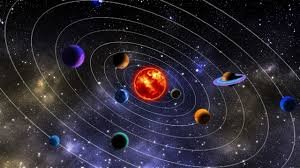
Universe – All existing matter and space considered as a whole.
Example: The universe is believed to be about 13.8 billion years old.
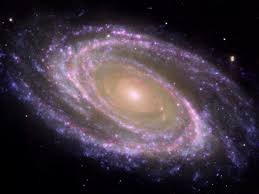
Galaxy – A system of stars, planets, gas, and dust held together by gravity.
Example: The Milky Way is the galaxy that contains our solar system.
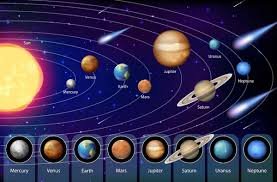
Solar System – The sun and all the objects that orbit it.
Example: Earth is the third planet in our solar system.
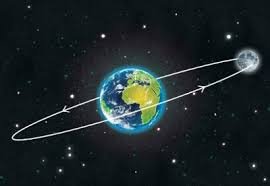
Orbit – The curved path of an object around a star or planet.
Example: The Moon orbits the Earth every 27 days.
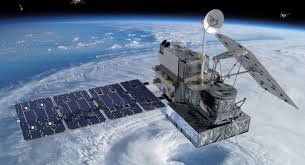
Satellite – A body that orbits a planet, either natural or artificial.
Example: Artificial satellites are used for communication and weather forecasting.

IELTS VOCABULARY